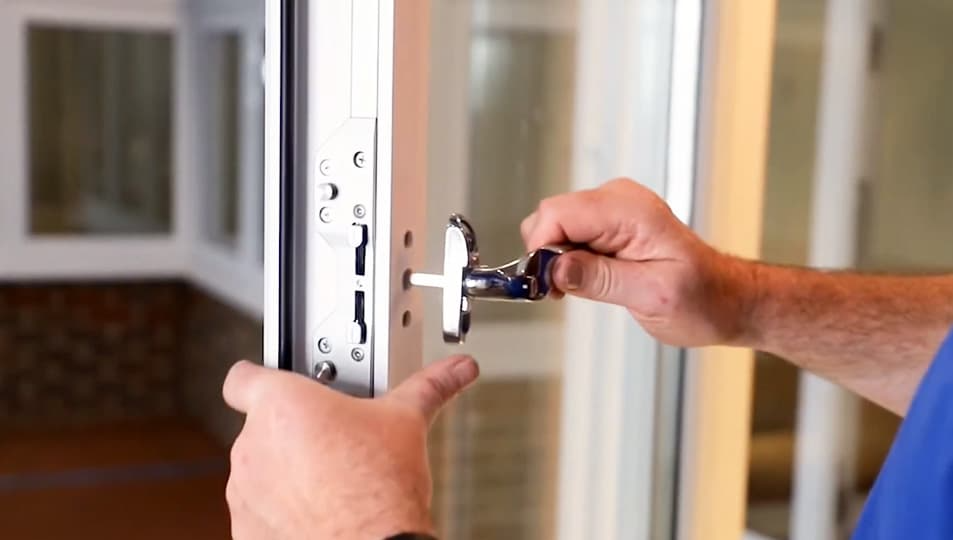
Navigating Office Lock Repair: A Comprehensive Guide
Introduction
In the busy world of service, the security of a workplace is critical. Locks are the very first line of defense versus unapproved gain access to, theft, and other security breaches. However, like all mechanical devices, locks can wear, breakdown, or end up being harmed in time. When a workplace lock requires repair, it is important to attend to the concern promptly to preserve the stability of the office. This article looks into the nuances of office lock repair, using insights into common issues, repair techniques, and preventive upkeep.
Typical Office Lock Issues
Sticking or Jammed Locks
- Sticking or jammed locks are a frequent issue in office environments. This concern can arise due to use and tear, inappropriate setup, or ecological aspects such as humidity and temperature modifications.
Run-down Pins or Springs
- In time, the internal parts of a lock can break. Specifically, the pins and springs that assist in the locking mechanism can end up being weak or misaligned, leading to problem in locking and opening the door.
Lost or Broken Keys
- Losing or breaking a secret is a typical event. This can leave the workplace locked or unlocked, depending upon the circumstance, and requires instant attention to avoid security dangers.
Lock Failure
- In some cases, a lock may fail totally, either by declining to lock or open, or by becoming stuck in a particular position. This can be due to a variety of reasons, consisting of damage, dirt accumulation, or internal element failure.
Misaligned Lock Cylinder
- A misaligned lock cylinder can cause the secret to not fit correctly, making it challenging to run the lock. This concern frequently results from improper installation or physical damage to the door or frame.
Damaged Strike Plate
- The strike plate, which is the metal plate connected to the door frame, can become broken or loose. This can cause the lock to not engage appropriately, causing security vulnerabilities.
Electrical Lock Issues
- For offices equipped with electronic locks, concerns such as dead batteries, malfunctioning sensors, or software application problems can render the lock inoperative.
Actions to Diagnose and Repair Office Locks
Identify the Problem
- The primary step in fixing an office lock is to recognize the particular problem. This can be done by observing the lock's habits and looking for any noticeable damage.
Look For External Factors
- Environmental elements such as humidity, temperature, and dust can impact the efficiency of a lock. Guarantee that the lock is clean and totally free from any particles.
Check the Lock Mechanism
- Unlock and take a look at the lock mechanism. Inspect for worn-out pins, springs, and other internal parts. If you are not acquainted with lock mechanics, it is suggested to consult an expert locksmith.
Tidy and Lubricate the Lock
- Cleaning and oiling the lock can fix many common concerns. Use a soft fabric to get rid of any dirt or grime and use a silicon-based lube to the keyhole and moving parts.
Adjust the Strike Plate
- If the lock is not engaging properly, the strike plate may be misaligned. Use a screwdriver to tighten or reposition the strike plate, ensuring it lines up correctly with the lock.
Replace Worn or Broken Components
- If internal parts such as pins or springs are worn or broken, they will require to be replaced. This can be a complex job and may require the know-how of a locksmith professional.
Rekey the Lock
- Rekeying includes altering the internal parts of the lock so that a new secret can be utilized. visit the up coming website is a useful option if the present secret is lost or compromised. A professional locksmith professional can perform this job efficiently.
Install a New Lock
- If the lock is beyond repair, it might be necessary to install a brand-new one. Make sure that the new lock is of high quality and meets the security standards of your workplace.
Test the Lock
- After making repairs or replacements, test the lock to guarantee it is functioning properly. Lock and unlock the door several times to look for smooth operation.
Professional Help vs. DIY Repair
Expert Help
- Experience and Expertise: Professional locksmiths have the experience and proficiency to handle a large range of lock issues, from simple repairs to intricate setups.
- Quality Materials: They use premium materials and parts, ensuring that the lock is long lasting and trusted.
- Warranty: Many locksmith professionals provide guarantees on their work, supplying peace of mind and defense versus future issues.
- Security Measures: Professionals can likewise suggest extra security steps, such as deadbolts or electronic locks, to boost the security of your office.
DIY Repair
- Affordable: DIY repairs can be more cost-efficient, particularly for easy concerns.
- Immediate Action: If you have the necessary tools and knowledge, you can attend to the issue right away without awaiting a locksmith.
- Learning Opportunity: Repairing a lock yourself can be an important knowing experience, assisting you to better comprehend the mechanics of locks.
Preventive Maintenance for Office Locks
Routine Cleaning
- Tidy the lock and keyhole routinely to prevent dirt and gunk from collecting.
Lubrication
- Lube the lock system every 6 months to ensure smooth operation.
Examine for Wear and Tear
- Examine the lock and its parts for signs of wear and tear. Replace any worn-out parts as required.
Secure the Strike Plate
- Ensure that the strike plate is safely fastened to the door frame. Tighten up any loose screws to avoid misalignment.
Professional Maintenance
- Think about employing an expert locksmith to carry out routine maintenance checks. They can recognize possible concerns before they become major problems.
Update Security Measures
- Stay informed about the most current security innovations and think about upgrading your locks to more advanced designs.
Frequently asked questions
Q: How can I prevent my office lock from sticking or jamming?
- Routine cleansing and lubrication can avoid sticking or jamming. In addition, ensuring that the lock and door are effectively lined up can assist maintain smooth operation.
Q: What should I do if I lose my office secret?
- If you lose your office secret, it is necessary to act quickly. Notify your office manager or security team and have a professional locksmith professional rekey the lock to prevent unauthorized gain access to.
Q: Can I repair an electronic lock myself?
- Repairing an electronic lock can be more complex than repairing a traditional lock. It is normally recommended to consult a professional locksmith professional, specifically if the concern involves software or electrical components.
Q: How often should I have my workplace locks inspected?
- It is advised to have your office locks inspected by an expert locksmith professional a minimum of as soon as a year. This can assist identify and address prospective issues before they end up being more major.
Q: What are the signs that my lock needs to be replaced?
- Indications that your lock requires to be replaced consist of trouble in locking or unlocking, visible damage to the lock or key, and frequent sticking or jamming. If the lock is old and has not been upgraded in several years, it may likewise be a good idea to replace it with a more contemporary and secure design.
Office lock repair is a crucial aspect of maintaining a protected and practical work space. By comprehending the typical issues, following the actions for medical diagnosis and repair, and implementing preventive upkeep, you can guarantee that your office locks are trusted and efficient. Whether you choose to manage repairs yourself or look for the help of an expert locksmith, it is vital to resolve lock concerns immediately to safeguard your service and its assets.
Additional Resources
- Expert Locksmith Services: Look for trustworthy locksmith professionals in your area who focus on industrial lock repair.
- Lock Maintenance Kits: Purchase lock upkeep sets that consist of cleaning options and lubricants.
- Security Consultation: Consider working with a security specialist to examine your office's general security and offer suggestions for improvement.
By taking proactive steps and staying informed, you can efficiently handle the upkeep and repair of your office locks, making sure a safe and protected environment for all workers and visitors.